

While there are a plethora of diets, pills, and meal replacement programs claiming to help you lose weight quickly, the majority of them lack scientific backing. There are, however, some scientifically validated weight-loss techniques.

There are several diet plans that promise to help you lose weight quickly while leaving you hungry and deprived. But what good does it do to lose weight just to gain it back? It’s important to lose weight gradually if you want to keep the pounds off in the long run. And, according to many experts, you can do it without going on a “diet.” The trick is to make little changes to your lifestyle.
The following are some weight-loss methods backed by scientific evidence:
1. Experiment with fasting on a regular basis.
Intermittent fasting (IF) is a kind of eating that entails a series of short-term fasts followed by a series of smaller meals spread throughout the day.
Various studies have been conducted. According to Trusted Source, overweight people lose weight when they do short-term intermittent fasting for up to 24 weeks.
2. Reduce your intake of processed carbohydrates
Cutting back on sugars and starches, or carbs, is one strategy to lose weight rapidly. This might be accomplished by following a low-carb diet or substituting whole grains for processed carbohydrates.
Your hunger levels will decrease as a result, and you will consume fewer calories.
You’ll use stored fat for energy instead of carbohydrates if you follow a low-carb diet.
If you combine eating more complex carbohydrates like whole grains with a negative energy balance, you’ll get the benefits of greater fiber and slower digestion. This makes them fuller, ensuring that you remain pleased.

3. Have Protein at Every Meal and Snack.
Including a dose of lean or low-fat protein in each meal and snack can help you feel fuller for longer, reducing your chances of overeating. Low-fat yogurts, a modest amount of almonds, peanut butter, eggs, legumes, or lean meats are all good options. To keep your blood sugar levels stable and avoid overindulging, experts recommend eating small, frequent meals and snacks (every 3-4 hours).
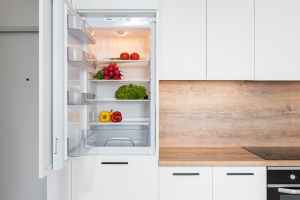
4. At night, shut the kitchen door.
Set a timer for when you’ll finish eating so you don’t succumb to late-night cravings or mindless munching while watching TV. “If you want something sweet after dinner, have a cup of tea, a piece of hard candy, or a small bowl of light ice cream or frozen yogurt,” recommends Elaine Magee, MPH, RD, WebMD’s “Recipe Doctor,” and author of Comfort Food Makeovers.


 The Imohtals
Leave a comment