

The Science of Healthy Skin: What You Need to Eat
Your skin is your largest organ, and it’s constantly exposed to the elements. That’s why it’s important to eat a healthy diet that supports skin health.
There are a number of nutrients that are essential for healthy skin, including:
- Antioxidants: Antioxidants help protect your skin from damage caused by free radicals. Free radicals are unstable molecules that can damage cells, leading to premature aging and wrinkles. Some good sources of antioxidants include fruits, vegetables, and whole grains.

- Collagen: Collagen is a protein that gives your skin its strength and elasticity. As you age, your body produces less collagen, which can lead to wrinkles and sagging skin. Some good sources of collagen include bone broth, gelatin, and fish.
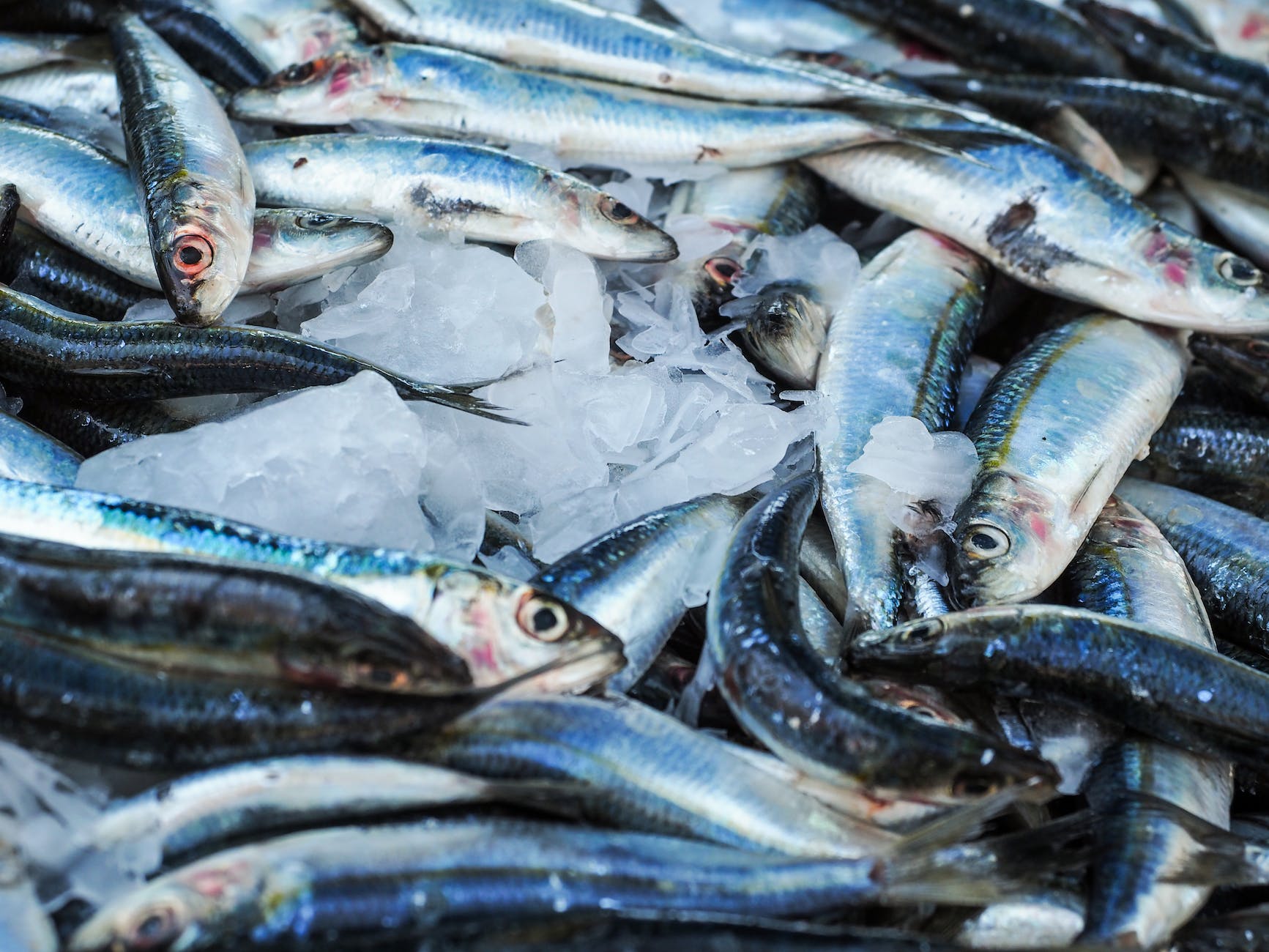
- Omega-3 fatty acids: Omega-3 fatty acids are essential fatty acids that your body cannot produce on its own. They have a number of benefits for skin health, including reducing inflammation and improving moisture levels. Some good sources of omega-3 fatty acids include fatty fish, walnuts, and flaxseeds.

- Zinc: Zinc is a mineral that is essential for many bodily functions, including skin health. Zinc helps to heal wounds, reduce inflammation, and protect your skin from damage caused by the sun. Some good sources of zinc include oysters, beef, and chickpeas.

- Selenium: Selenium is a mineral that has antioxidant properties. It helps to protect your skin from damage caused by free radicals and the sun. Some good sources of selenium include Brazil nuts, tuna, and wheat germ.

- Vitamin A: Vitamin A is a nutrient that is essential for skin health. It helps to keep your skin cells healthy and prevents them from becoming damaged. Some good sources of vitamin A include carrots, sweet potatoes, and spinach.

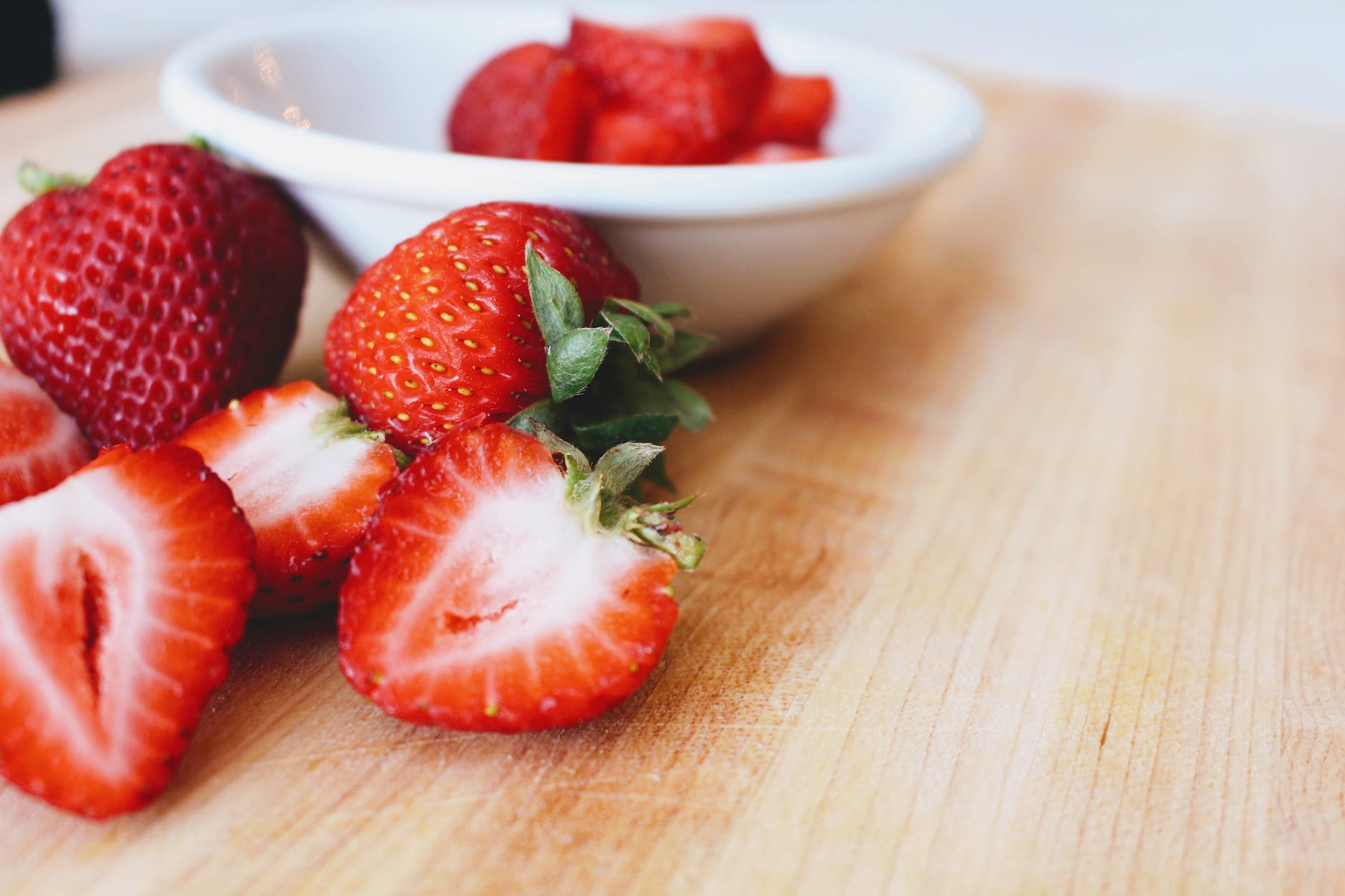
- Vitamin C: Vitamin C is an antioxidant that helps to protect your skin from damage caused by free radicals. It also helps to produce collagen, which gives your skin its strength and elasticity. Some good sources of vitamin C include oranges, strawberries, and broccoli.
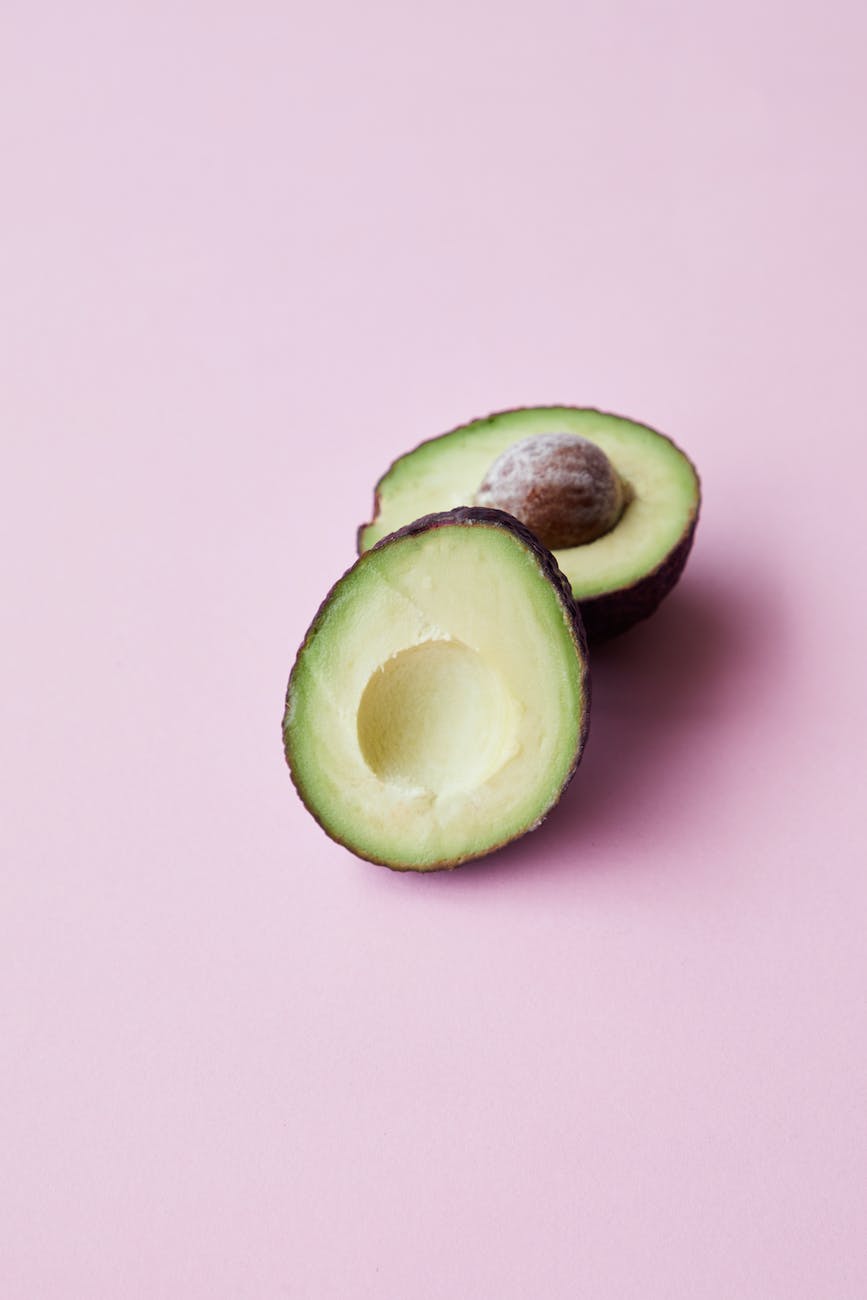
- Vitamin E: Vitamin E is an antioxidant that helps to protect your skin from damage caused by free radicals. It also helps to keep your skin hydrated. Some good sources of vitamin E include almonds, spinach, and avocados.
In addition to eating a healthy diet, there are other things you can do to promote healthy skin, such as:
- Wear sunscreen: Sunscreen is the best way to protect your skin from the sun’s harmful rays.
- Avoid smoking: Smoking damages your skin and makes it more likely to wrinkle.
- Get enough sleep: Sleep is essential for skin health. When you don’t get enough sleep, your skin becomes dry and more prone to damage.
- Manage stress: Stress can damage your skin and make it more likely to break out.
By following these tips, you can improve your skin health and enjoy healthier, more radiant skin.
How Antioxidants Protect Your Skin
Antioxidants are molecules that can donate electrons to unstable molecules called free radicals. Free radicals are created when your body breaks down food, or when you are exposed to environmental toxins, such as cigarette smoke or pollution. Free radicals can damage your cells, leading to premature aging and wrinkles.
Antioxidants can help to quench free radicals by donating electrons to them. This prevents the free radicals from damaging your cells. Some of the best sources of antioxidants for skin health include:
- Fruits and vegetables: Fruits and vegetables are a great source of antioxidants, including vitamin C, vitamin E, and beta-carotene.
- Whole grains: Whole grains are a good source of antioxidants, such as selenium and magnesium.
- Nuts and seeds: Nuts and seeds are a good source of antioxidants, such as vitamin E and zinc.
- Healthy oils: Healthy oils, such as olive oil and avocado oil, are a good source of antioxidants, such as vitamin E.
How Collagen Keeps Your Skin Strong and Elastic
Collagen is a protein that gives your skin its strength and elasticity. As you age, your body produces less collagen, which can lead to wrinkles and sagging skin.
You can help to keep your skin looking young and healthy by eating foods that are high in collagen. Some good sources of collagen include:
- Bone broth: Bone broth is a good source of collagen and other nutrients that are essential for skin health.
- Gelatin: Gelatin is a good source of collagen and can be added to smoothies, soups, or desserts.
- Fish: Fish is a good source of collagen and other omega-3 fatty acids that are beneficial for skin health
 The Imohtals
Leave a comment